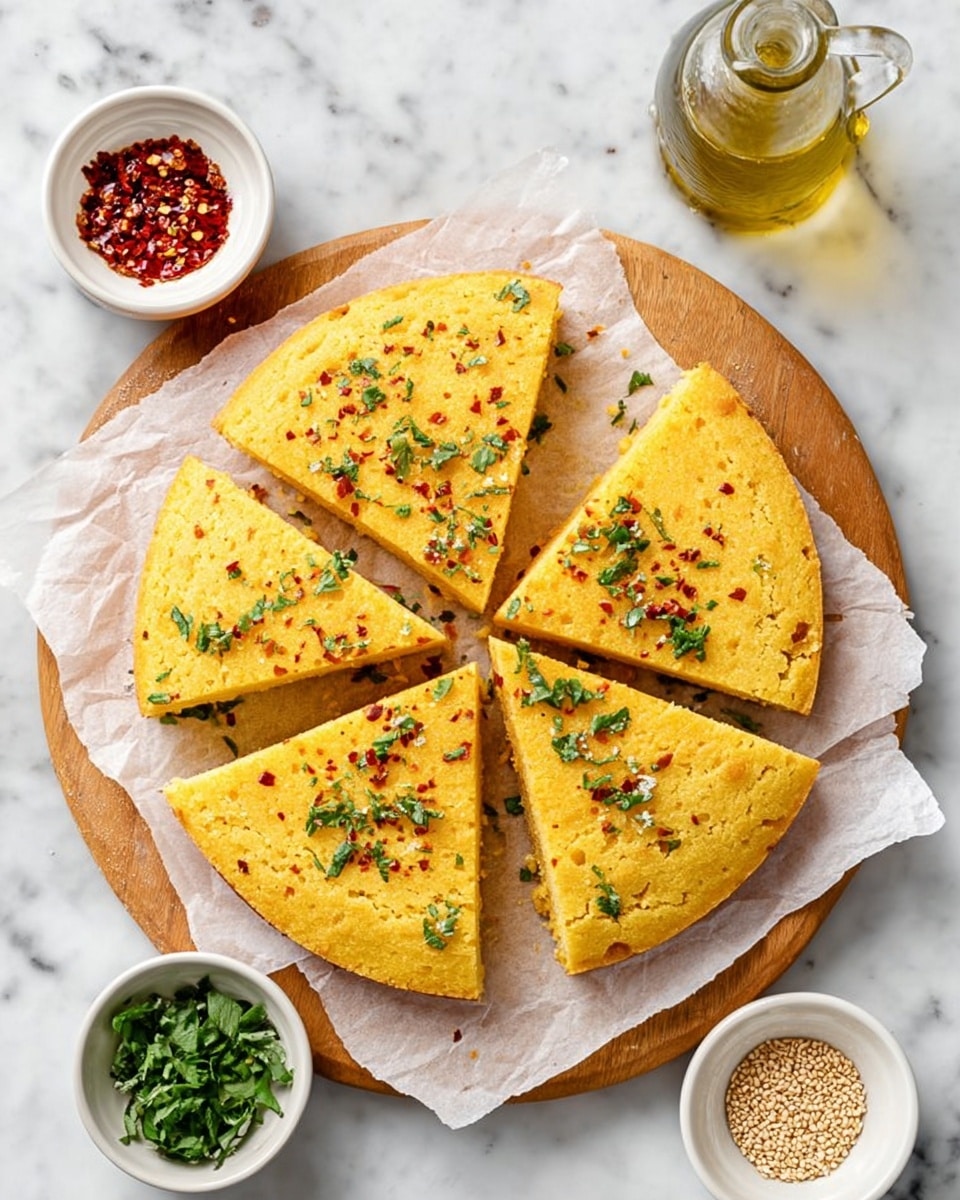
Nestled along the sun-drenched shores of the French Riviera, the city of Nice is a jewel of Provence, famed for its azure waters, vibrant markets, and an culinary heritage rich with simple, honest flavors. Among its most cherished edible treasures is socca, a delightful, crispy chickpea flatbread that embodies the very spirit of Mediterranean street food. More than just a snack, socca tells a story of history, resilience, and the ingenious use of humble ingredients to create something truly extraordinary. It’s a naturally gluten-free, savory treat that has captivated palates for centuries, making it an essential experience for anyone visiting Nice or eager to explore the authentic tastes of the Côte d'Azur.
The Essence of Socca: A Culinary Profile
At its heart, socca is a marvel of simplicity: a thin, unleavened pancake made from just a few core ingredients – chickpea flour, water, olive oil, and salt. This modest combination, when expertly prepared, transforms into a culinary delight characterized by its enticing texture and distinctive nutty flavor. Imagine a dish that seamlessly blends the delicate structure of a crepe with the satisfying chew of a pancake, but with a unique, rustic appeal. The ideal socca boasts beautifully crispy, slightly charred edges that give way to a tender, almost custardy interior, often enhanced by a generous sprinkle of freshly ground black pepper.
Traditionally, this golden flatbread achieves its signature crispness and smoky aroma from being baked in a blazing hot wood-fired oven. A large copper or cast-iron pan, glistening with olive oil, is crucial to its preparation, ensuring even cooking and that coveted crackle. Once perfectly golden and blistered, it’s swiftly cut into wedges and served immediately, piping hot. This quick preparation and immediate consumption are central to its identity as the quintessential street food – a grab-and-go delight designed to be savored on the bustling streets or by the shimmering sea. Its natural lack of gluten, owing to the use of chickpea flour, has also made it a beloved choice for those with dietary restrictions, broadening its appeal in contemporary cuisine without ever compromising its authentic character.
Tracing Socca's Mediterranean Heritage: From Humble Beginnings to Iconic Status
The history of socca is as rich and interwoven as the cultural tapestry of the Mediterranean itself. While strongly associated with Nice and the wider Provence region of southeastern France, its roots stretch across the border to the neighboring Ligurian coast of Italy, where a virtually identical dish is known as farinata. This culinary twinship highlights the deep historical connections and shared traditions that characterize this vibrant part of the world.
Socca's origins are deeply rooted in necessity and ingenuity. It began as an affordable and nourishing snack for the working class – fishermen returning from sea, laborers toiling in the port cities, and humble families seeking sustenance. Legends abound, with some tracing its lineage back to Roman times, while others link its emergence to the dramatic 16th-century siege of Nice by Franco-Ottoman forces. The story goes that during this siege, a batter of chickpea flour and water, perhaps accidentally mixed with olive oil, was cooked on shields over open fires, providing vital nourishment and, perhaps, giving birth to this resilient dish.
However, it was in the mid-19th century that socca truly cemented its popularity in Nice. Mobile charcoal-oven wagons became a common sight, allowing laborers to grab a hot, satisfying wedge before heading to work or sea. This tradition of on-the-go consumption continues today at iconic Nice markets like Cours Saleya, where the smoky aroma of cooking socca mingles with the scent of fresh flowers and spices. Legendary vendors such as Chez Thérésa, operating since 1928, and Chez Pipo, a fixture since 1923, have become institutions, drawing both locals and tourists eager to experience this authentic taste of Niçoise culture.
The influence of chickpea-based flatbreads isn't confined to Nice and Liguria. Similar dishes appear in various Mediterranean port cities, reflecting a fascinating history of culinary exchange along ancient trade routes. In Marseille, you'll find panisse, a thicker version often cut into squares and fried into delightful fritters. Genoa and Sardinia also boast their own variations, each a testament to the versatility of chickpea flour and the enduring appeal of simple, wholesome food across the region. In Niçoise culture, socca is more than just food; it's an embodiment of the unpretentious, convivial spirit of the Côte d'Azur, perfectly paired with a crisp glass of chilled rosé.
More Than Just a Snack: Versatility and Modern Appeal
Beyond its historical significance and delightful flavor, socca stands out for its remarkable versatility and surprising nutritional benefits, making it highly relevant in today's diverse culinary landscape. As a naturally gluten-free dish, it caters to a growing demand for alternative grain options without compromising on taste or texture. A typical serving (around 100g) offers a good source of protein (approximately 8g) from the chickpeas, along with healthy monounsaturated fats from the olive oil, and valuable dietary fiber. Its quick preparation time – often under 30 minutes from batter to plate – further solidifies its status as an ideal street food, a speedy snack, or even a light meal option.
While purists will argue that the best socca is served plain, hot, and seasoned solely with black pepper, its simple nature makes it a fantastic canvas for various culinary explorations. It can serve as a robust, crispy base for a unique "chickpea pizza crust," topped with fresh herbs, roasted vegetables, or a sprinkle of cheese. Some enjoy it as a creative alternative to a crepe, stuffed with savory fillings. Modern adaptations often include infusing the batter with finely chopped rosemary, garlic, or a pinch of exotic spices like za’atar, adding new dimensions to its already compelling flavor profile.
For home cooks eager to recreate this taste of Nice, achieving authentic socca is entirely possible, even without a wood-fired oven. The key lies in replicating the intense heat and the right cooking surface. A well-seasoned cast-iron skillet or a pizza stone, preheated to a very high temperature (around 450-500°F or 230-260°C) in a conventional oven, can yield wonderfully crispy results. The batter should be a pourable consistency, spread thinly into a generously oiled hot pan, ensuring those desirable charred edges and a tender, yielding center. The beauty of socca is its adaptability; whether enjoyed as a simple appetizer, a satisfying snack, or a unique component of a larger meal, its charm is undeniable.
Conclusion
Nice's crispy chickpea flatbread, or socca, is far more than just a regional delicacy; it's a culinary emblem that bridges past and present, tradition and innovation. From its humble origins as a fortifying snack for Mediterranean workers to its current status as a celebrated gluten-free street food, socca's journey reflects the enduring power of simple, honest ingredients and timeless cooking techniques. Its nutty flavor, crispy edges, and tender heart offer a genuine taste of the Côte d'Azur, inviting everyone to partake in a piece of Niçoise history. Whether you savor it hot from a bustling market stall in Nice or endeavor to craft it in your own kitchen, socca remains a testament to the unpretentious deliciousness that defines Mediterranean cuisine.
