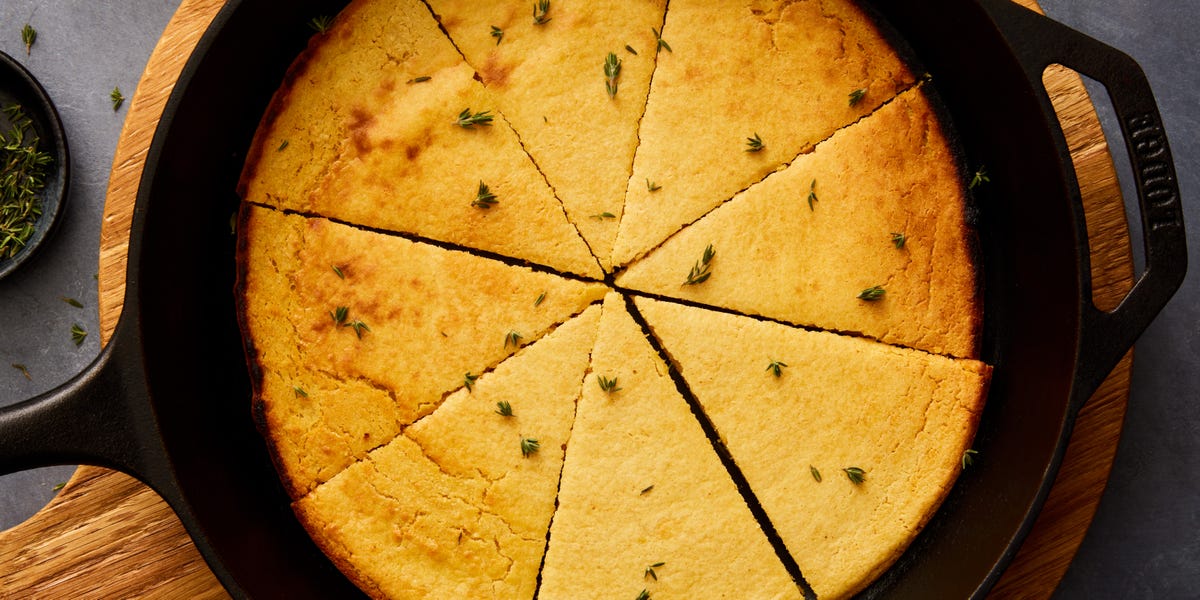
The Irresistible Allure of Socca: A Culinary Journey from Nice to Your Kitchen
Imagine strolling through a bustling Mediterranean market, the air thick with enticing aromas. Suddenly, a smoky, nutty scent catches your attention, leading you to a vendor expertly slicing golden-brown wedges from a giant, sizzling pan. This is your introduction to socca, Nice's quintessential street food – a naturally gluten-free chickpea flatbread that embodies the rustic elegance of the Côte d'Azur. More than just a simple snack, socca is a culinary cornerstone, offering a unique blend of crispy edges and a tender, yielding center, all infused with the earthy goodness of chickpea flour and a generous hint of olive oil and black pepper. Often likened to a delicate cross between a crêpe and a pancake, socca stands in a league of its own, delivering a satisfyingly savory experience that has charmed locals and visitors for centuries. This comprehensive guide will take you through the origins, preparation, and myriad delights of mastering socca, ensuring you can bring a slice of Niçoise tradition into your own home.What Exactly is Socca? Unpacking Its Humble Roots
At its heart, socca is a remarkably simple dish, yet its depth of flavor is profound. It's an unleavened flatbread crafted from just a few core ingredients: chickpea flour, water, olive oil, and salt. The magic happens during its high-heat baking, traditionally in a wood-fired oven on a large copper or cast-iron pan, where it transforms into a thin, golden disc with delightful crispy, slightly charred edges and a creamy, tender interior. The nutty flavor of the chickpeas is often elevated by a liberal grinding of black pepper, making it a truly addictive treat. The origins of socca trace back to the sun-drenched Provence region of southeastern France, particularly the vibrant city of Nice. Its Italian cousin, known as farinata, thrives along the neighboring Ligurian coast. Both dishes share a common lineage, rooted in the humble beginnings of Mediterranean port cities. Socca emerged as an affordable and accessible snack for the working class – fishermen, laborers, and those needing quick, nourishing sustenance. Legends even whisper of Roman influences or a 16th-century siege of Nice contributing to its creation, but it truly cemented its popularity in the mid-19th century. Back then, mobile charcoal-oven wagons would crisscross Nice, feeding hungry workers before they headed out to sea. This history isn't just about food; it's about resilience, community, and the enduring spirit of the Mediterranean. To delve deeper into the fascinating trajectory of this Mediterranean marvel, read more about Nice's Crispy Chickpea Flatbread: History & Mediterranean Roots.More Than Just a Flatbread: The Mediterranean Family & Health Benefits
While socca holds a special place in the hearts of Niçois, it’s part of a larger, interconnected family of chickpea-based dishes found across the Mediterranean basin. These culinary cousins reflect centuries of trade, cultural exchange, and shared resources along ancient trade routes.A Shared Mediterranean Heritage
* Farinata (Italy): As mentioned, this is socca’s closest relative, prevalent along the Ligurian coast. It uses virtually identical ingredients and preparation methods, often served plain or with rosemary. * Panisse (Marseille, France): Just a short distance away in Marseille, you’ll find panisse. While also made from chickpea flour, panisse batter is typically cooked into a thick paste, then cooled, cut into various shapes (like fries or cubes), and deep-fried until golden and crispy. It offers a different texture and culinary experience, often served as fritters. * Other Variations: Similar chickpea preparations can be found in Genoa, Sardinia, and other coastal towns, each with its local nuances and names, showcasing the versatility of chickpea flour in a region where it's abundant and valued. This network of chickpea flatbreads underscores a common thread of ingenuity and resourcefulness, transforming simple, inexpensive ingredients into delicious and satisfying meals.A Health-Conscious Choice
Beyond its captivating flavor and rich history, socca offers a compelling array of health benefits that align perfectly with modern dietary preferences. As a naturally gluten-free street food, it's an excellent option for those with celiac disease or gluten sensitivity, providing a flavorful alternative to traditional wheat-based breads. Nutritionally, chickpeas are superstars. Socca is naturally:- High in Protein: Chickpeas are a fantastic source of plant-based protein, contributing significantly to satiety and muscle health. A typical 100g serving of socca can provide around 8g of protein.
- Rich in Fiber: The high fiber content in chickpeas aids digestion, helps regulate blood sugar levels, and promotes gut health.
- Packed with Healthy Fats: The generous use of extra virgin olive oil not only imparts incredible flavor but also contributes heart-healthy monounsaturated fats.
Versatility Unleashed: Beyond the Traditional Wedge
While purists will argue that socca is best enjoyed plain, fresh from the oven, seasoned only with black pepper, its inherent simplicity makes it incredibly versatile. Its robust flavor and sturdy yet tender texture lend themselves to numerous culinary adaptations: * A Savory Snack: The classic way, hot off the griddle, wrapped in paper. * An Appetizer: Serve warm wedges with a sprinkle of fresh rosemary or a dollop of tapenade. * A Light Meal: Top with fresh cherry tomatoes, basil, a drizzle of balsamic glaze, or even sautéed onions for a more substantial dish. * A Unique Pizza Crust: Its crispiness makes it an excellent grain-free base for your favorite pizza toppings. * A Chickpea Crêpe: Thicker versions can be stuffed with savory fillings like roasted vegetables or cheese. * A Side Dish: It pairs wonderfully with grilled fish, salads, or Mediterranean stews. While traditionalists might eschew additions, modern kitchens embrace variations with toppings like thinly sliced onions, a sprinkle of herbs like rosemary or thyme, or even a touch of grated cheese. Experimentation is encouraged, but always start with the classic to appreciate its true essence. For a deeper dive into its nutritional profile and creative culinary applications, explore Socca Explained: Its Origins, Health Benefits & Versatile Uses.Mastering Socca at Home: Your Step-by-Step Guide
Recreating the authentic taste of Niçoise socca in your home kitchen is not as daunting as it might seem. The key lies in understanding the fundamentals and embracing the high-heat cooking method.Essential Ingredients for Authentic Socca
Success starts with quality ingredients. For a truly excellent homemade socca, you'll need:
- Chickpea Flour (Besan): This is non-negotiable. Ensure it's fresh and high-quality. Indian grocery stores often stock excellent besan.
- Water: Filtered water is best for a pure taste.
- Extra Virgin Olive Oil: Don't skimp here. A good quality, fruity olive oil will significantly enhance the flavor.
- Salt: Fine sea salt works perfectly.
- Freshly Ground Black Pepper: Crucial for that signature spicy kick.
Crafting the Perfect Batter
The batter is straightforward, but consistency is crucial. Whisk together chickpea flour, water, salt, and a good glug of olive oil until completely smooth and lump-free. The consistency should be thin and pourable, much like crêpe batter – not thick like pancake batter. Allow the batter to rest for at least 30 minutes, or even a few hours, at room temperature. This resting period helps the flour fully hydrate, resulting in a tenderer socca.
The Heat Factor: Mimicking a Wood-Fired Oven
The hallmark of authentic socca is its ultra-crispy crust achieved through intense heat. While most of us don't have a wood-fired oven, we can emulate the effect:
- Preheat Your Oven: Turn your oven to its highest possible temperature, usually 230-260°C (450-500°F).
- Preheat Your Pan: Crucially, place a large cast-iron skillet (or a heavy-bottomed, oven-safe pan or even a pizza stone) in the oven as it preheats. This ensures the pan is scorching hot when the batter hits it.
- Oil the Hot Pan: Once the pan is screaming hot, carefully remove it from the oven (use oven mitts!). Pour a generous amount of olive oil into the pan, swirling to coat the bottom and sides thoroughly. The oil should shimmer and might even smoke slightly – this is key to the crispy edges.
The Art of Baking Socca
Pour a thin layer of the rested batter into the hot, oiled pan. The batter should spread evenly and sizzle immediately upon contact. Bake in the preheated oven for 10-15 minutes, or until the socca is beautifully golden brown, with some glorious charred spots around the edges and a slightly blistered surface. Watch it closely, as ovens vary.
Serving Suggestions & Niçoise Flair
Once baked, immediately remove the socca from the oven. Using a spatula, transfer it to a cutting board. The most traditional way to serve is to cut it into rustic wedges or squares, season generously with freshly ground black pepper (and perhaps a sprinkle of sea salt), and serve piping hot. It's truly best eaten fresh, ideally straight from the oven, as it loses its crispness as it cools.
To capture the authentic Niçoise experience, pair your homemade socca with a chilled glass of local rosé wine. Simple toppings like a sprig of fresh rosemary, a few red pepper flakes, or a squeeze of lemon can elevate the experience without overpowering the inherent flavor of the socca.
